

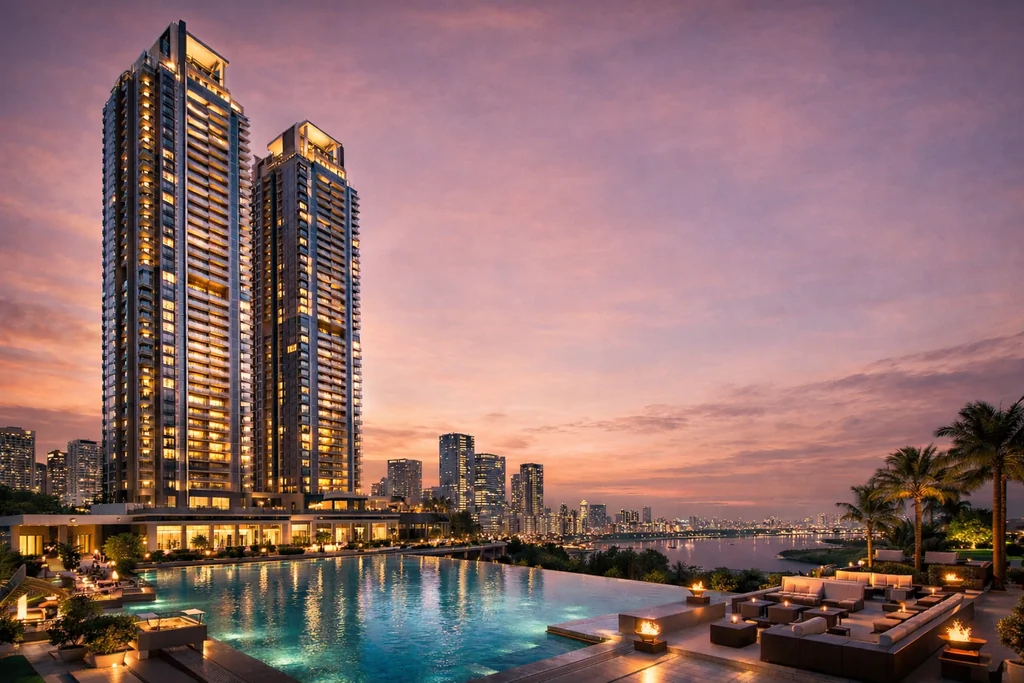
The Prestige Group luxury housing market in 2026 isn’t just about premium apartments; it’s about how it's actively redefining what luxury means in India. In a market where “luxury” is often overused and underdelivered, Prestige Group has managed to build credibility by consistently aligning product, location, and buyer expectations.
India’s luxury housing segment in 2026 is a fast-expanding category driven by rising wealth, global exposure, and a clear shift in buyer mindset from owning property to owning a lifestyle.
The Evolution of Luxury Housing in India
Luxury housing in India has gone through three phases:
- Pre-2015: Focus on size and location
- 2015–2022: Shift to amenities and gated living
- 2023–2026: Experience-driven, design-led luxury
Today’s buyers don’t care just about sq. ft. They look for:
- Privacy
- Community
- Design aesthetics
- Wellness infrastructure
- Brand value
This is exactly where Prestige Group has capitalized. Instead of selling homes, they’re selling curated living experiences.
Prestige Group’s Strategic Position in 2026
Among the top real estate developers in India, Prestige Group has built a strong track record for consistency.
In 2026, their strategy revolves around three things:
1. Geographic Diversification
Prestige isn’t limited to one city anymore.
- Bangalore (core stronghold)
- Mumbai (high-value expansion market)
- Hyderabad
- Chennai
- NCR
This multi-city presence reduces risk and increases brand visibility across India’s most important real estate corridors.
2. Premium Positioning Without Overpricing
Prestige price at a premium but still within the “aspirational affordability” bracket for upper-middle-class and HNI buyers. That’s why their projects don’t just launch well; they sustain demand.
3. Product Consistency
Prestige maintains:
- Strong construction quality
- Timely delivery (relatively speaking, for Indian real estate)
- Predictable design standards
Consistency builds trust, and trust sells faster than marketing.
Prestige Group Projects 2026: What’s Driving Demand
Integrated Townships
Large-scale developments combining:
- Residential
- Retail
- Office spaces
- Social infrastructure
These projects cater to buyers who want everything within a 10-minute radius. In cities like Bangalore and Hyderabad, this model is dominating.
High-Rise Luxury Apartments
Urban land scarcity is pushing vertical growth. Prestige has leaned heavily into:
- Sky residences
- High-floor premium units
- View-oriented design
These aren’t just luxury apartments India buyers purchase for living, they’re also investment assets.
Branded Residences & Ultra-Luxury
This is where the real money is.
Prestige has started tapping into:
- Ultra-luxury segments
- Limited inventory projects
- High-ticket buyers (HNIs, NRIs)
These buyers are less price-sensitive and more brand-sensitive.
What Actually Defines “Luxury” in 2026
1. Design That Feels Global
- Open layouts
- Larger balconies
- Floor-to-ceiling windows
- Better ventilation
2. Wellness Infrastructure
Post-pandemic buyers are obsessed with health:
- Air purification systems
- Green spaces
- Walking tracks
- Yoga decks
3. Community & Privacy Balance
Buyers want:
- Social interaction when they choose
- Privacy when they don’t
4. Smart Living Integration
Smart homes are no longer optional in luxury housing:
- App-controlled lighting
- Security systems
- Automation
Prestige integrates tech without making it gimmicky.
Why Buyers Are Choosing Prestige in 2026
Prestige wins because it reduces perceived risk.
1. Brand Trust
In a market full of delays and broken promises, reputation matters more than design.
2. Resale & Rental Value
Prestige properties tend to:
- Hold value better
- Attract premium tenants
That makes them attractive even for investors, not just end-users.
3. Location Selection
Most projects are launched in:
- Growth corridors
- Infrastructure-backed zones
Investment Angle: Is Prestige Still Worth It?
Where It Makes Sense
- Early-stage entry into a strong micro-market
- Projects with limited supply
- High-demand rental zones
Where It Doesn’t
- Late-stage entry at peak pricing
- Oversupplied luxury markets
- Purely speculative buying
Competition: Prestige Isn’t Alone
The top real estate developers in India competing in luxury include:
- DLF
- Lodha
- Godrej Properties
- Sobha
Each has its own strength:
- DLF: ultra-luxury dominance
- Lodha: aggressive expansion
- Godrej: brand + scale
- Sobha: construction quality
Challenges Prestige Group Faces
1. Rising Land Costs
Premium land in cities like Mumbai and Bangalore is insanely expensive. This pressures margins.
2. Buyer Expectations Are Increasing
Luxury buyers in 2026 are far more aware. They compare projects globally, not locally.
3. Execution Risk at Scale
As Prestige expands, maintaining quality across cities becomes harder. Many developers fail at this stage.
The Future of Prestige Group in Luxury Housing
Looking ahead, Prestige’s growth will depend on how well they adapt to three trends:
1. Ultra-Luxury Expansion
Higher ticket sizes, lower inventory, stronger margins.
2. Experience-Driven Living
- Concierge services
- Hospitality-style management
- Lifestyle programming
3. Sustainability as a Core Feature
Not just greenwashing, but
- Energy efficiency
- Water management
- Climate-responsive design
Final Take
The Prestige Group luxury housing market 2026 narrative isn’t about marketing; it’s about disciplined execution.
They’re not the most aggressive.
They’re not the cheapest.
But they’re one of the most reliable, and in Indian real estate, that’s a huge competitive advantage.
If they maintain consistency while upgrading their luxury positioning, they won’t just participate in India’s premium housing boom; they’ll continue shaping it.
Posted By

Ruchi Mane
info@houssed.com
Ruchi Mane is the Senior Editor at Houssed, leading the platform’s real estate news coverage. She tracks trends in India’s luxury property market while overseeing editorial strategy, PR outreach, and social media communication.