

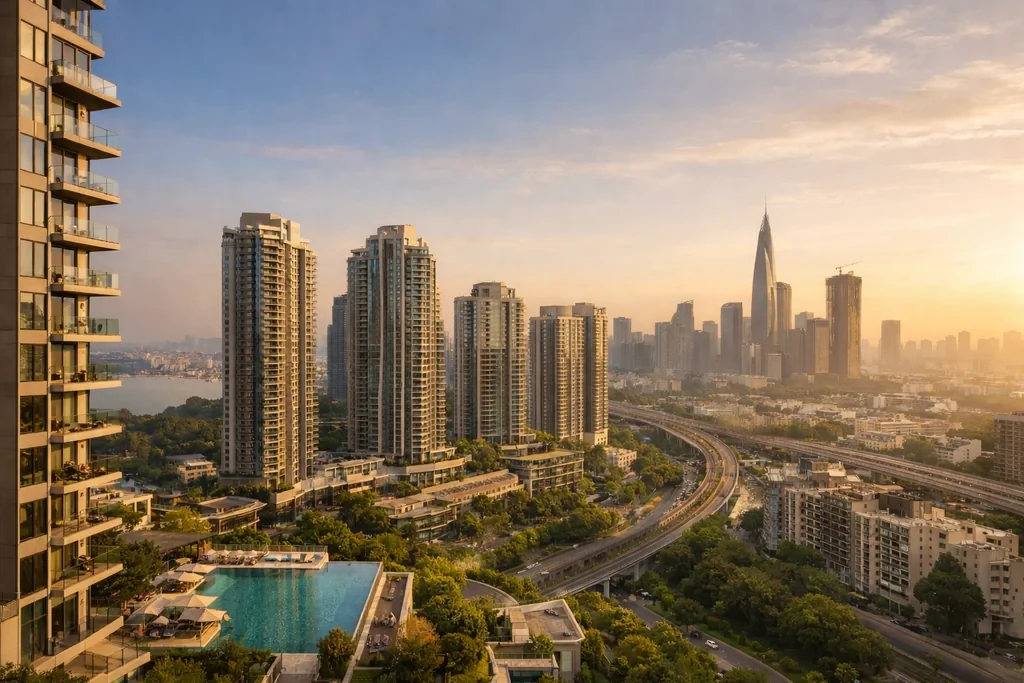
Premium housing demand in metro cities is shifting rapidly. New jobs, better roads, global exposure, and evolving lifestyles are reshaping how people want to live. Housing choices are no longer just about owning a space. For many urban buyers, the focus has shifted to comfort, safety, long-term value, and quality of life. This shift explains why metro city real estate is rising steadily.
1. New Meaning of “Home”
For today’s urban residents, a home has become more than a private space. It has become a place to work, relax, exercise, and spend quality time with family. Long working hours, traffic stress, and crowded public spaces have made people value calm and well-planned living environments.
Premium homes usually offer better layouts, more natural light, quieter surroundings, and shared spaces like gardens or lounges. These features make everyday life smoother and more pleasant, especially in busy metros where personal space is limited.
2. Rising Incomes and Changing Desires
Over the years, metro cities have observed strong growth in white-collar jobs, startups, and global companies. With higher and more stable incomes, many professionals now feel assured investing in better homes.
Owning a premium home is also considered a personal milestone. It reflects growth, resilience, and success. This emotional factor plays a major role in premium housing demand in metro cities, especially among young families and mid-career professionals who want to upgrade their lifestyle.
Work from Home Has Changed Priorities
The rise of remote and hybrid work has had a lasting impact on housing choices. People now spend more hours at home than ever before. Consequently, buyers are looking for homes with:
- Extra rooms for work or study
- Better sound insulation
- Reliable power and internet support
- Calm surroundings away from heavy traffic
Premium housing projects are more likely to meet these needs. This makes them attractive even if they come at a higher price.
Also Read: Luxury Housing Market in India May See a Pause in FY27
3. Better Infrastructure in Metro Areas
Metro cities continue to receive major investments in infrastructure. New metro rail lines, flyovers, business hubs, and social facilities improve daily life and reduce travel stress. Areas that were once considered distant are now well-connected.
Premium housing often comes up in locations that benefit early from such development. Buyers see this as a smart long-term move, as better connectivity usually leads to higher property value over time.
4. Focus on Safety and Managed Living
Safety has become a key concern for urban families. Gated communities, trained security staff, and controlled access provide peace of mind, especially for households with children or elderly members.
Premium residential projects usually offer professional maintenance and management. This reduces daily hassles and ensures that common areas stay clean and functional. For many buyers, this ease of living is worth paying extra for.
Health and Well-being Matter More Than Before
Urban life can be stressful. Pollution, noise, and lack of open spaces affect physical and mental health. After recent global events, people are more aware of the importance of healthy living environments.
Premium housing projects often include green areas, walking paths, fitness zones, and better airflow within homes. These features support a balanced lifestyle, making such homes appealing to health-conscious buyers.
5. Limited Land, Growing Population
Metro cities face a simple reality: land is limited, but demand keeps growing. As populations increase, well-planned housing becomes scarce. This pushes buyers to secure quality homes when they can.
In many metros, premium projects are developed on carefully selected land parcels, often replacing older structures. Their limited supply adds to their appeal, especially for buyers looking at long-term value.
6. Investment Value and Stability
Property in metro cities has traditionally been seen as a stable investment. Premium homes, in particular, tend to hold value better during market slowdowns. They also attract reliable tenants if owners choose to rent them out.
This makes premium housing attractive not just to end users but also to investors who prefer lower risk and steady returns.
Influence of Global Living Standards
Exposure to international travel, media, and global work culture has influenced how urban Indians view housing. Features once considered “extra” are now seen as normal expectations.
As a result, buyers compare local options with global standards. This has supported the growth of luxury apartments in India, especially in major metros where global exposure is highest.
More Mature Housing Market
The Indian housing market has become more regulated and transparent over time. Clearer rules, better financing options, and improved project accountability have increased buyer confidence.
This maturity supports the high-end residential market, where buyers expect clear timelines, quality construction, and reliable developers.
Looking Ahead
The rise in premium housing reflects deeper changes in how people live, work, and define comfort. As metro cities continue to grow and evolve, the demand for better-planned, thoughtfully designed homes is likely to remain strong.
For buyers, the decision often comes down to balance: higher upfront cost versus long-term comfort, safety, and value. For many, premium housing feels like a sensible step rather than a luxury
Posted By

Ruchi Mane
info@houssed.com
Ruchi Mane is the Senior Editor at Houssed, leading the platform’s real estate news coverage. She tracks trends in India’s luxury property market while overseeing editorial strategy, PR outreach, and social media communication.