

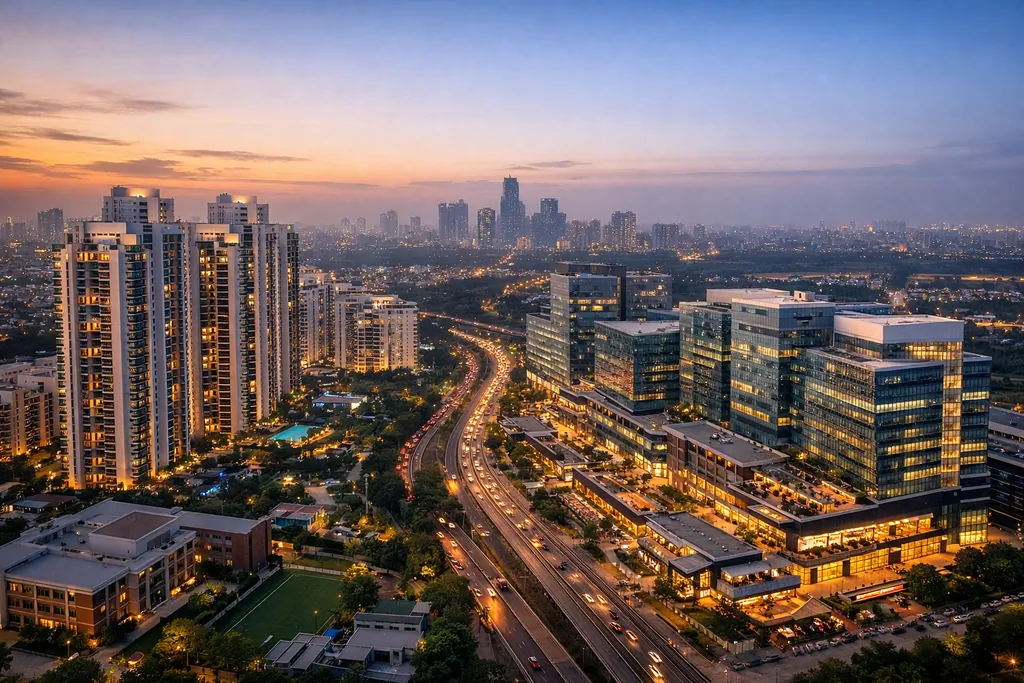
Over the years, DLF Properties has played a steady role in shaping how premium homes and large commercial spaces are planned, built, and used. Rather than chasing trends, its approach has largely focused on scale, location, and long-term value three things that continue to matter to buyers and businesses.
Today, as cities grow denser and expectations from real estate evolve, DLF properties remain closely watched. Whether it’s high-end housing or large office districts, the company’s influence is visible across many of India’s major urban centers.
1. Long-Term View of Urban Growth
One reason DLF has stayed relevant is its ability to think beyond individual buildings. Many of its developments function as complete ecosystems, combining homes, offices, retail spaces, and shared amenities. This planning mindset became especially important as Indian cities expanded rapidly and land became more scarce.
Instead of spreading thin across too many locations, DLF focused on a few strategic markets. Delhi NCR, in particular, became a testing ground for large-scale development. Over time, these projects helped define what premium urban living could look like in India: more organized, better connected, and designed for everyday convenience.
This long-term view has also helped the brand weather market cycles. While demand has risen and fallen over the years, properties that are well-located and thoughtfully planned tend to hold their value better than standalone projects with limited infrastructure around them.
Redefining Luxury
Luxury in housing means different things to different people. For some, it’s about size; for others, it’s privacy, safety, amenities, or access to green spaces. In the context of luxury property in India, DLF has generally focused on practical comfort rather than flashy excess.
- Many of its premium residential projects emphasize:
- Clear layouts and usable space
- Controlled density, with fewer apartments per floor
- Reliable security and maintenance systems
- Access to everyday needs like schools, healthcare, and retail
This approach resonates with buyers who consider a home as a long-term decision. Especially in metro cities, where traffic and time are daily concerns, the value of good planning often outweighs decorative features.
Many of its premium residential projects emphasize:
- Clear layouts and usable space
- Controlled density, with fewer apartments per floor
- Reliable security and maintenance systems
- Access to everyday needs like schools, healthcare, and retail
This approach resonates with buyers who see a home as a long-term decision, not just a status symbol. Especially in metro cities, where traffic and time are daily concerns, the value of good planning often outweighs decorative features.
2. The Commercial Side
Large office parks and mixed-use commercial zones developed by the company have become key employment hubs. These spaces cater to multinational companies, tech firms, and service industries that need:
- Large floor plates
- Reliable infrastructure
- Proximity to transport links
- Support services like retail and food options nearby
By offering campuses rather than isolated office towers, DLF helped shape how modern workspaces function in India. This model became especially important as global companies looked for consistency and efficiency when setting up Indian operations.
Even as remote and hybrid work models gain traction, well-designed commercial spaces continue to matter. Businesses still need physical locations for collaboration, training, and client interactions, and demand has shifted more towards quality than sheer volume.
3. Adapting to Changing Buyer Expectations
The Indian real estate buyer today is more informed than ever. Easy access to data, site visits, and peer reviews has changed how people evaluate property. DLF projects have had to adapt to these expectations, focusing more on transparency, delivery timelines, and after-sales experience.
Recent residential developments show a stronger emphasis on:
- Energy efficiency and sustainable materials
- Open areas and natural light
- Better air circulation and green zones
- Community-focused amenities rather than just private ones
These shifts reflect broader changes in how people want to live and work. The pandemic, in particular, highlighted the need for adaptable spaces, homes that can support work-from-home routines, and offices that prioritize health and safety.
4. The Role of Trust in High-Value Purchases
Real estate, especially at the premium end, involves significant financial and emotional investment. Buyers often look beyond brochures and model apartments; they want assurance that the developer will deliver what is promised.
Over time, DLF properties have built a reputation for consistency, which plays a big role in buyer confidence. This doesn’t mean every project is perfect, but a long track record provides a reference point that newer players often lack.
For investors as well, predictability matters. Rental demand, resale potential, and long-term appreciation are easier to estimate when a project is part of a larger, well-established development.
What Comes Next?
India’s cities are still evolving. Infrastructure projects, new business corridors, and changing lifestyle preferences will continue to shape demand. Developers that can align with these shifts without losing sight of basics like location and planning are more likely to stay relevant.
DLF’s future growth will likely depend on how well it balances scale with flexibility. As buyers ask for more sustainable, well-managed environments, the ability to deliver integrated developments at a high standard will remain critical.
Rather than reinventing its identity, the company appears focused on refining what it already does well. In a market as complex as India’s, that steady approach can be a strength.
Posted By

Ruchi Mane
info@houssed.com
Ruchi Mane is the Senior Editor at Houssed, leading the platform’s real estate news coverage. She tracks trends in India’s luxury property market while overseeing editorial strategy, PR outreach, and social media communication.