

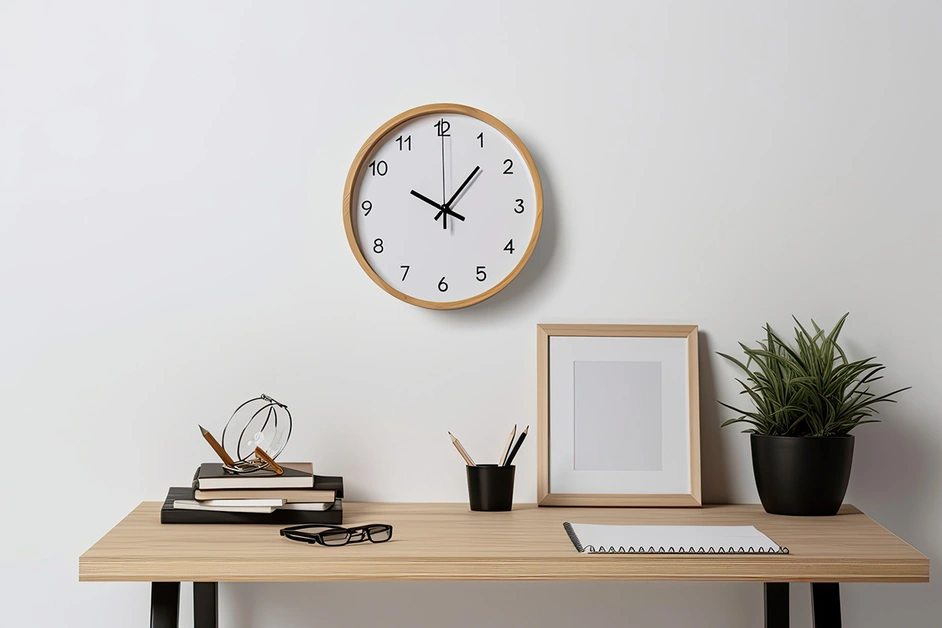
According to Vastu Shastra, this detailed sort of guide looks into why wall clock placement matters ,even though most folks now just use smartphones to keep track of time. Sure, a wall clock can look like everyday decor, but Vastu beliefs say where you hang it can also steer the good energy flow around your house.
In this short but practical roundup, you’ll find easy Vastu suggestions to keep in mind while positioning wall clocks, so you can support peace, balance ,and a smoother vibe in each nook of your living space.
What is the Vastu for Wall Clock?
In Vastu Shastra, it is said that where you put a wall clock can affect the overall energy flow in a home, kind of quietly steering a more calm , and balanced place to live. Many people recommend hanging the clock on the north wall or the east wall of a room, because north is linked with prosperity, while east is connected with uplifting energy and well-being. Also , the clock should be actually working well, since a non-functional wall clock, as they say, may hint at stagnation or some sort of life hindrance.
You should try to avoid the south, southwest, or southeast sides, because those directions are believed to mess with the natural movement of positive energy, in line with Vastu principles.
It’s also advised to place the clock at a clear, visible height, so time stays in focus in your daily routine.
Significance of Wall Clock as per Vastu
Think of your home like a compass, sort of, with the main points north, south, east, and west. In Vastu, these directions connect to things like water, fire, wind, and air, kind of in a linked way. So if your wall clock ends up in the wrong direction, it could interfere with the energy circulation inside your house. And then you may start noticing negative energy, or maybe the whole atmosphere feels off.
As per Vastu Shastra, a wall clock can actually support prosperity and even protect the health of family members. Back in the 1800s, people used to believe that if you tried to mess with, or reverse, the hands of the clock, it would bring bad effects. During that same time, the clock was often stopped right after a death happened, as if that action mattered.
A Guide to Wall Clock as per Vastu
Direction of Wall Clock
The northern or eastern direction is the best wall clock direction as per Vastu. These directions are considered auspicious, as they are associated with positive energy flow and the influx of prosperity.
The east direction is where the sun rises, which signifies the day's start and new beginning. So, as per Vastu, a wall clock in the east reduces the chances of negative energy affecting the home. Furthermore, placing the wall clock in the north direction can attract health and wealth. However, as per Vastu, placing the wall clock in the west direction can also be preferred for maintaining the good health of the family members.
Position of Wall Clock
The ideal height for mounting a wall clock is eye level. This height makes clear visibility and is aesthetically pleasing. Placing it too high or too low may disrupt the energy balance in the room. Additionally, ensure the clock is visible from all room corners, allowing the energy to circulate freely.
Working of Wall Clock Vastu
Ensure that the wall clock is in proper working condition. A malfunctioning clock may symbolise stagnation or obstacles in life. Regular maintenance and prompt repairs align with the Vastu principle of maintaining a dynamic and vibrant energy flow.
Colour and Background Schema of Wall Clock Vastu
Opt for colours that align with the dominant Vastu colours in the room. Harmonising the colour of the wall clock with the background enhances the overall aesthetic appeal and fosters positive vibrations. It is recommended to avoid overly bright or dark colours that may disrupt the equilibrium.
Paying Attention to Time Being Displayed
Vastu emphasises the importance of being mindful of the time displayed by the wall clock. It encourages punctuality and discipline, reflecting a disciplined and organised lifestyle. Regularly resetting the clock ensures accurate timekeeping and aligns with the cyclical nature of life.
Some Vastu Shastra Tips for Wall Clock
Here are some quick Vastu tips for a wall clock:
- Direction Matters: Place the wall clock on the northern or eastern wall for positive energy flow.
- Eye-Level Placement: Mount the clock at eye level for balanced energy distribution and a calm atmosphere.
- Circular or Square Shapes: Opt for clocks with circular or square shapes, symbolizing completeness and stability.
- Proportional Size: Choose a size that fits the wall proportionately, avoiding dominance or insignificance.
- Functional Clocks: Ensure the clock is in good working condition, promoting the idea of continuous, smooth energy flow.
Wall Clock as per Vastu: Types and Their Significance
Whether you prefer the pendulum, a circular clock, the metallic clock, or the wooden stuff, your choice contributes to your overall energy and harmony.
Let's explore the Vastu implications of different wall clock types to understand their impact on your living space better.
-
Pendulum or Antique Wall Clocks
Pendulum and antique wall clocks carry a sense of tradition and continuity. In Vastu, these clocks are believed to evoke a timeless, steady energy. The swinging motion of a pendulum is symbolic of balance and harmony, making these clocks suitable for spaces where a calm and enduring atmosphere is desired.
-
Circular Wall Clocks
Circular wall clocks, being a common shape, symbolise completeness and unity in Vastu. Their rounded form is associated with a continuous flow of positive energy. Placing a circular wall clock contributes to a peaceful environment, promoting a sense of wholeness and balance within the room.
Ideal Direction of Wall Clock as per Vastu
The ideal way of putting a wall clock as per Vastu Shastra kinda depends on what sort of energy and ambience, you want to bring in, like really in that particular space. People often say placing it to the east, or maybe the west, or even the north, can nudge things in a better direction, for the overall peace, and well-being of the home. So yeah, aligning the wall clock position with Vastu ideas is thought to have a positive pull on the entire living environment.
East Direction
According to Vastu , putting a wall clock towards the east side is seen as good omen. The east area is linked with the rising sun, so it is thought to mean fresh starts , optimism, and the natural movement of new enthusiasm energy. When a wall clock sits here , people say it kind of catches the positive mood of the morning light , and it helps bring brighter thoughts plus a feeling of renewal inside the home.
West Direction
West direction is taken as important in Vastu. Having a wall clock in the west side is believed to draw on the energy of the setting sun, more or less like it just slows things down. This direction tends to link with a feeling of closure and something like achievement, or completion in simpler words. A clock placed in the west is also said to foster a calm and quite satisfied mood , so the overall vibe feels steady. So it is usually picked for rooms where winding down, de stressing , and relaxing are the main priorities.
North Direction
According to Vastu, the north direction is another favourable placement for a wall clock. It is associated with prosperity and abundance. Placing a clock in the North is believed to attract positive energy that aligns with financial well-being and success. This direction is recommended for spaces where financial transactions or important discussions occur, as it enhances favourable outcomes.
Ideal Direction for Hanging Wall Clock in House as per Vastu
The general principle in Vastu suggests that the northern or eastern walls are ideal for hanging wall clocks. Placing a clock in these directions enhances the overall well-being of the household.
Direction of Wall Clock at Doorway/Entrance
Hanging a wall clock near the entrance, preferably on the northern or eastern side, is considered auspicious in Vastu. This placement is believed to invite positive energy into the home, creating a welcoming atmosphere for residents and guests. It also serves as a subtle reminder of the importance of time as one enters or exits the space.
Direction of Wall Clock in Living Room
Vastu recommends placing the wall clock on the northern or eastern wall of the living room. This placement encourages positive social interactions and a harmonious atmosphere. It also aligns with the idea that the living room is a space for lively conversations and gatherings, and the energy from the clock can enhance these interactions.
Direction of Wall Clock in Bedroom
The ideal direction for a wall clock in the bedroom is either on the northern or western wall. Avoid placing it on the southern wall. This placement promotes a calm and peaceful environment conducive to restful sleep. The clock's energy is thought to support a soothing ambience in the bedroom.
Wall Clock Placement to Avoid as per Vastu
According to Vastu Shastra, adherence to recommendations for wall clock placement aims to create a living space that fosters positive energy, balance, and overall well-being by avoiding potential disruptions associated with unfavourable directions.
West Placement
Placing a wall clock in the west is discouraged in Vastu. The west is associated with the setting sun, and placing a clock in this direction is believed to disrupt the natural flow of energy. It is thought to introduce instability and could lead to financial or career-related challenges. To maintain a positive and balanced environment, it is advisable to avoid placing wall clocks in the west.
The clock should only be placed in the west direction when there is no place in the north and east or if the bed is in the eastern direction.
South Placement
The south direction holds sensitivity in Vastu, and placing a wall clock in this area is discouraged. This direction is associated with the element of fire, and a clock here is believed to intensify the fire energy, leading to potential conflicts, stress, and health issues. To ensure a more harmonious living space, it's recommended to avoid placing wall clocks in the south.
Southeast Placement
Vastu advises against placing wall clocks in the southeast direction. This quadrant is linked to the fire element and represents the Agni (fire) zone. Having a clock here may amplify the fiery energy, potentially contributing to disagreements, financial challenges, and hindrances in decision-making. Avoiding clock placement in the southeast is considered a preventive measure for maintaining a positive atmosphere.
Southwest Placement
Placing a wall clock in the southwest direction is cautioned against in Vastu. The southwest direction is associated with stability and financial well-being. Introducing a clock in this area is thought to disrupt the natural earth energy, leading to potential financial setbacks and instability in relationships.
Colours for Wall Clock as per Vastu
In Vastu Shastra, colours play a huge role in influencing the energy and vibrations within a living space. Every colour is believed to carry a specific energy that can impact various aspects of our lives. When it comes to wall clocks, selecting the right colours aligns with the principles of Vastu to promote prosperity and positivity.
Ideal Colours
-
Green
Green is associated with balance, growth, and harmony. Using a green-coloured wall clock can bring a sense of calmness and freshness to the surroundings. It is considered ideal for spaces where a peaceful and balanced atmosphere is desired.
-
Blue
Blue symbolises tranquillity and stability. A wall clock in shades of blue is believed to promote a serene environment and enhance overall well-being. It is particularly suitable for bedrooms and areas where relaxation is essential.
-
White
White signifies purity and clarity. A white wall clock is recommended for its neutral and calming effects. It complements various colour schemes in a room and reflects light, creating an open and airy ambience.
Colours to Avoid
-
Red
While red is a vibrant and energetic colour, it may be too stimulating for a wall clock. In Vastu, red is associated with intense emotions and can disrupt the tranquillity of a space. Avoiding red in the clock's colour helps maintain a more balanced atmosphere.
-
Black
Black is often linked to heaviness and can absorb positive energy. Using a black wall clock might create a sombre mood and is generally discouraged in Vastu. Opting for lighter colours promotes a more uplifting and positive energy flow.
-
Dark Brown
Dark brown represents earthiness, but excess can introduce a heavy and dull feeling. Vastu suggests avoiding overly dark brown tones for a wall clock, as they may hinder the flow of lively energy in the room.
Wall Clock Vastu: Things to Keep in Mind
When considering the wall clock placement, here are a few things to consider, as per Vastu:
-
Indoor Placement
Always keep your wall clock inside the house. Placing it outdoors is considered inauspicious in Vastu.
-
Avoid Over Doorways:
Don't hang the wall clock directly over a doorway. This is believed to disrupt the positive energy flow in the house.
-
Newlywed Couple Consideration
If there is a newlywed couple in the house, make sure the wall clock faces away from the eastern side of the bed. This is believed to bring harmony to the couple's relationship.
Wall Clock Vastu: Things to Avoid
- Never place the wall clock outside the house, as it is considered unfavourable in Vastu.
- Avoid hanging the wall clock directly above doorways, as it is believed to disrupt positive energy flow.
- Avoid wall clocks depicting negative historical events, wars, or scenes associated with sadness.
- Avoid placing the wall clock on the southern wall, as it is considered inauspicious in Vastu.
Vastu Tips to Charge Your Home With Positive Vibes
Repair or Replace Non-Working Clocks
A working clock acts like a heartbeat for your home's energy. In Vastu, broken or non-working clocks are considered energy drainers. They can slow down the positivity in your space. So, look around, fix those non-working clocks, or replace them with ones that tick happily. It's a simple way to keep the good vibes flowing.
Place Wall Clocks Towards the Orient
Orient means the east. In Vastu, placing wall clocks towards the east is like saying hello to the sunrise. It's believed to attract positive energy and a sense of new beginnings. So, if you have a wall that faces east, consider putting a clock there. It is like inviting good vibes to start your day.
Conclusion
Your wall clock is more than just a timekeeper according to Vastu Shastra, it plays a quiet but meaningful role in shaping the energy of your home. By placing it on the north or east wall, choosing the right shape, colour, and ensuring it always runs perfectly, you invite prosperity, positivity, and balance into your living space. Small, mindful decisions about something as simple as a clock can truly make your home feel more harmonious and alive.
Posted By

Akshay Gupta
info@houssed.com
Akshay Gupta writes about lifestyle and modern living for Houssed, focusing on practical décor ideas and everyday comfort. His work offers simple guidance to help readers create functional and welcoming home environments.