

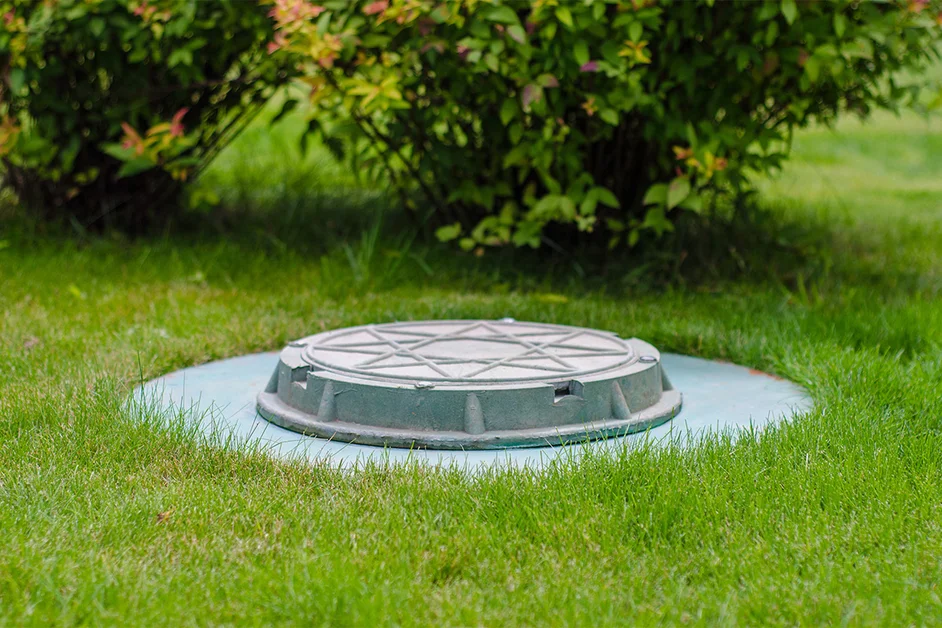
When it comes to septic tanks, it is one of those essential but often overlooked parts of a home’s infrastructure, and honestly, following Vastu principles for septic tank location as per Vastu can be just as important. Vastu Shastra has a big say in guiding the placement of different elements so there’s harmony, and a kind of positive energy flow, inside the space. If the septic tank is placed properly it not only matches traditional thinking, but it also tries to set up a balanced, and fairly auspicious household environment, overall.
What is the Vastu for Location of the Septic Tank?
In Vastu Shastra , the position of a septic tank is seen as a big deal, like it can influence how energy moves around, and also how you generally feel. Ideally, the septic tank should be kept toward the northwest area of the property. This northwest placement is said to support money steadiness and at the same time improves the overall positive energy within the household.
Also, it becomes really important to not put the septic tank in the northeast or in the southwest corners , because these spots are considered less favourable , according to Vastu thoughts. If the septic tank is placed there it may invite money troubles, and on top of that, health issues can start showing up. When you follow these simple Vastu directions for the septic tank location, people believe it helps bring more balance, prosperity and a more light, positive atmosphere inside the home.
Importance of Septic Tank Location as per Vastu
The placement of a septic tank, in Vastu terms, is kinda important, because it has to do with how positive energy may flow through the space and how people feel overall, sort of well being, you know. In Vastu, if the septic tank is set in the northwest portion of the property, it is seen as auspicious, and yes that word gets used a lot, but it really means something here. People believe this kind of positioning can support financial stability as well as the health of those living inside.
On the other hand, it is better not to put the septic tank in the southwest, northeast, south, or in the very centre of the property. These directions, according to Vastu, may disturb the beneficial energy movement, and may cause certain Vastu doshas, even if things look fine on the outside. So paying attention to where the septic tank goes is really part of a wider idea, which is to maintain a balanced, calmer and more harmonious home environment.
Septic Tank Location as per Vastu
Best Septic Tank Location
According to Vastu principles, the ideal spot for a septic tank is in the northwest side of the house. Putting it there is thought to help in a positive way with the whole energy circulation and the inner equilibrium inside the home. In practice, this placement is said to match the natural forces, so the septic system works efficiently, without harming the people living there, or disturbing their routine.
Septic Tank Locations to Avoid:
- The northeast direction is considered highly sensitive in Vastu. Placing a septic tank here is discouraged as it may disturb the flow of positive energy, potentially leading to health and financial issues.
- Placing the septic tank in the central part of the property is discouraged. Vastu advises against this as it may disrupt the home's stability and harmony, affecting the occupants' overall well-being.
- It is recommended to maintain a safe distance between the septic tank and any water sources like wells or borewells. This helps in preventing any contamination of water, ensuring the purity of your water supply.
Septic Tank Location for Different House Directions
East-Facing House
For east-facing houses, it's advisable to position the septic tank towards the northwest. This ensures that the tank doesn't interfere with the positive energy flow from the east while efficiently managing wastewater. The northeast placement helps maintain a harmonious balance between functionality and Vastu considerations.
West-Facing House
In the case of west-facing houses, the septic tank should ideally be located in the northwest direction. This placement minimises any potential negative impacts on the household, ensuring a smooth flow of wastewater while adhering to Vastu principles. It's essential for maintaining both hygiene and positive energy.
North-Facing House
For north-facing houses, the recommended septic tank location is in the northeast or northwest section of the property. Placing the tank in this direction aligns with Vastu Shastra guidelines, promoting good health and prosperity. Proper care in selecting the north as the septic tank location helps maintain a favourable atmosphere within the household.
South-Facing House
South-facing houses should position their septic tanks in the north corner of the west direction, north (negative), and east (negative) part of the property. This placement ensures that the septic system efficiently manages wastewater without compromising the Vastu integrity of the house. By adhering to these guidelines, homeowners can balance functionality and positive energy flow.
Septic Tank Location as per Vastu: Do's and Dont's
Do's
- Place the septic tank in the northwest location of the house.
- Ensure the septic tank is not installed above the plinth level to maintain a harmonious energy flow.
- Keep the septic tank 1-2 feet away from the compound wall to prevent any negative impact on the surroundings.
- Orient the septic tank with its length along the east-west axis and its breadth along the north-south axis for Vastu compliance.
- Arrange the septic tank so that the water part exits from the east side, promoting positive energy.
- Ensure the excretion (solid) waste leaves from the west side of the septic tank for effective waste management.
- To prevent water contamination, keep a reasonable distance from wells, bore wells, and water sources.
- Ensure there is a reasonable distance between the septic tank and any religious or sacred structures for cultural harmony.
- For east-facing houses, place the septic tank in the northwest to maintain balance and positivity.
- Regularly maintain and clean the septic tank as it contributes to a healthy and positive Vastu environment.
Don'ts
- Avoid placing the septic tank in the northeast, as it may disrupt positive energy flow.
- Never locate a septic tank in the southwest, as it can lead to financial and health issues.
- The outlet from the tank should never be on the south side to avoid adverse effects on the household.
- Do not position the septic tank under any structure, such as a staircase or temple, to prevent negative energy.
- Avoid placing the septic tank in the centre of the property to maintain balance and harmony.
- Never install the septic tank near wells, bore wells, or water sources to prevent contamination.
- Avoid locating the septic tank at a higher elevation than the house to ensure proper wastewater flow.
- Do not place the septic tank near large trees or roots to prevent potential damage.
- Avoid construction of any bedroom, Pooja room or kitchen above the septic tank.
Effects of Septic Tank When Located in Wrong Direction as per Vastu
Placing a septic tank in different directions can adversely affect different aspects of life. Here, we discuss the repercussions of the septic tank location as per Vastu principles.
- Septic Tank in East Direction: Placing the septic tank in the east can result in financial instability and obstacles in professional endeavours. The flow of positive energy is disrupted, leading to a stressful atmosphere. Additionally, it adversely affects the health and well-being of the occupants, manifesting as health issues and a general sense of unease.
- Septic Tank in West Direction: When the septic tank is situated in the west, it may lead to strained relationships and conflicts within the family. Financial challenges and obstacles are likely to arise, impacting the overall prosperity of the household. The disharmony caused by this misplacement can create a tense and unpleasant living environment.
- Septic Tank in North Direction: Incorrectly placing the septic tank in the north can negatively affect career growth and opportunities. This misalignment may result in financial setbacks and instability, creating hurdles in achieving professional success. The occupants may experience a sense of stagnation and limited growth prospects.
- Septic Tank in South Direction: Placing the septic tank in the south hampers overall prosperity and financial well-being. The negative energy flow can contribute to financial challenges and strained family relations. Additionally, occupants may face health issues, and conflicts within the household may become more prevalent.
- Septic Tank in Northeast Direction: Locating the septic tank in the northeast severely impacts the positive energy flow in the house. Chronic health problems and financial troubles may emerge as a result. The northeast is considered a sacred and energy-rich direction, and disrupting it with a septic tank can have profound and long-lasting effects.
- Septic Tank in Southeast Direction: Placing the septic tank in the southeast harms the financial stability and growth of the household. The southeast is associated with the fire element, and misplacing the septic tank here can lead to financial misunderstandings, conflicts among family members, and hindered financial progress.
- Septic Tank in Southwest Direction: A septic tank in the southwest poses a severe threat to the financial stability and health of the family. This direction is linked to stability and security, and disrupting it with a septic tank may result in prolonged legal or property issues. Financial setbacks and persistent health concerns may also arise.
Vastu Remedies for Septic Tank in Wrong Location
In Vastu Shastra, improper placement of a septic tank can lead to various negative effects on a home's overall energy. However, with thoughtful remedies, it's possible to mitigate these challenges.
North or Northeast Corner:
- Place green vastu plants on top of the tank to counterbalance the negative energy.
- Add a fountain to enhance energy flow and promote positivity in the area. The combination of greenery and water fosters a harmonious environment.
South East:
- Colour the septic tank red to counteract negative influences associated with this direction.
- Insert pieces of copper around the septic tank to enhance positive energy flow. Copper is believed to have beneficial properties that can mitigate Vastu-related challenges.
South:
- Place a brass wire around the septic tank as an effective remedy for a south-facing tank.
- The presence of brass helps neutralize negative energy, contributing to a more balanced and positive atmosphere around the septic tank.
Southwest Corner:
- Paint the septic tank yellow as a Vastu remedy for a septic tank in the southwest.
- Yellow is associated with positivity and prosperity, and applying this colour can counteract negative influences, promoting a more favourable energy balance.
West:
- Treat a west-facing septic tank by painting it in a calming grey colour.
- Grey is considered neutral and can help stabilize the energy associated with a septic tank in the West, fostering a more balanced environment.
Conclusion
This comprehensive guide emphasizes the paramount importance of Vastu-compliant septic tank placement.
Vastu for location of septic tank:
The northwest corner is the most auspicious direction for the septic tanks. It influences various aspects of life, and adhering to Vastu guidelines can lead to a harmonious living environment.
Importance of septic tank location as per Vastu:
The significance lies in the impact on energy flow within the house. Correct septic tank placement ensures a balanced and positive atmosphere, promoting overall well-being and prosperity for the occupants.
Septic tank location as per Vastu:
For an optimal septic tank location, follow Vastu principles:
- Place the septic tank in the northwest.
- Ensure it is not above the plinth level.
- Keep it 1-2 feet away from the compound wall.
- Orient it with length in the east-west axis and breadth in the north-south axis.
- Arrange the tank so that water exits from the east and solid waste exits from the west.
Septic tank location for different house directions:
- East-Facing House: Place the septic tank towards the northwest for positive energy flow.
- West-Facing House: Opt for the west or northwest direction to align with Vastu principles.
- North-Facing House: Locate the septic tank in the north-western section for balance.
- South-Facing House: Position the septic tank in the north corner of the west direction, north (negative), and east (negative) part of the property.
Vastu tips for the location of the septic tank:
- Place the septic tank in the Northwest for optimal energy flow.
- Ensure the tank is below the plinth level.
- Keep a 1-2 feet distance from the compound wall.
- Ensure water exits from the east side and solid waste exits from the west.
Septic tank location as per Vastu: Do's
- Best location is northwest.
- Maintain a lower plinth level.
- Keep a distance from the compound wall.
- Ensure proper flow of water and waste.
Septic tank location as per Vastu: Don'ts
- Avoid Northeast placement.
- Never place in the southwest.
- Ensure no contact with the compound wall or plinth.
- Outlet should never be on the South Side.
Effects of the septic tank when located in the wrong direction as per Vastu
- East: Financial instability and health issues.
- West: Strained relationships and conflicts.
- North: Career setbacks and financial instability.
- South: Financial challenges and health concerns.
- Northeast: Negative energy flow, chronic health problems.
- Southeast: Financial instability, family conflicts.
- Southwest: Severe threat to finances and health.
Vastu remedies for septic tank in the wrong location:
- North/North East: Place green plants and a fountain.
- Southeast: Colour the tank red and insert copper pieces.
- South: Put a brass wire around the tank.
- Southwest: Paint the tank yellow for positivity.
- West: Treat with grey colour for stabilisation.
Posted By

Akshay Gupta
info@houssed.com
Akshay Gupta writes about lifestyle and modern living for Houssed, focusing on practical décor ideas and everyday comfort. His work offers simple guidance to help readers create functional and welcoming home environments.