

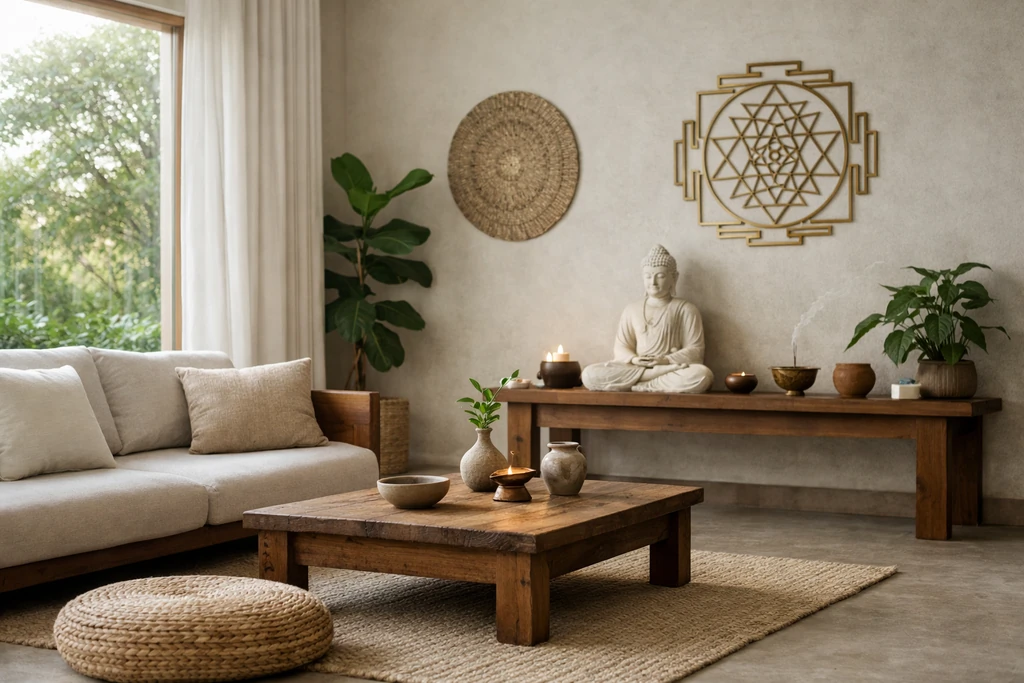
Minimalist home design in India is no longer just an aesthetic choice; it’s becoming a lifestyle shift. In cities where space is limited and life moves fast, more homeowners are moving away from excess and embracing simplicity, intentional design, and mindful living. At its core, minimalism isn’t about having less for the sake of it; it’s about making space for what actually matters.
This approach aligns deeply with homes inspired by Jain principles, where simplicity, non-attachment, and harmony with nature shape everyday living. When combined with Vastu tips for a peaceful home, minimalism becomes not just visually clean but energetically balanced too.
Why Minimalism Is Growing in Indian Homes
Urban India is facing a space crunch. Apartments are getting smaller, but aspirations are growing bigger. The result? Clutter, inefficiency, and stress.
Minimalist home design solves this by focusing on:
- Function over excess
- Quality over quantity
- Space over storage overload
People are also realizing that a well-designed 2BHK can feel more luxurious than a cluttered 4BHK. That mindset shift is driving this trend.
Core Principles of Minimalist Home Design in India
1. Declutter
Minimalism starts with elimination. If something doesn’t serve a purpose or bring value, it doesn’t belong.
Indian homes often accumulate:
- Extra furniture
- Unused decor
- Sentimental clutter
Start with one room. Remove 30-40% of visible items. You’ll immediately feel the difference.
2. Neutral and Calming Color Palettes
Minimalist homes rely heavily on neutral tones:
- Whites
- Beiges
- Soft greys
- Earthy browns
These colors reflect light, make spaces look larger, and create a calm atmosphere, something essential in chaotic city environments. Avoid overusing bright colors. If you want contrast, use it sparingly through cushions, art, or plants.
3. Functional Furniture
In modern Indian home interior ideas, furniture must justify its presence.
-
Storage beds
-
Foldable dining tables
-
Wall-mounted desks
- Modular sofas
4. Natural Materials and Sustainability
Minimalism in India is increasingly tied to sustainability.
- Solid wood instead of plastic
- Bamboo and cane furniture
- Clay, stone, and natural fabrics
- Indoor plants for air quality
This connects strongly with homes inspired by Jain principles, where living in harmony with nature is fundamental.
Vastu Tips for a Peaceful Home
Minimalism and Vastu aren’t separate; they complement each other.
- Keep the entrance clutter-free to allow positive energy flow
- Use natural light as much as possible
- Avoid heavy furniture in the center of rooms
- Place mirrors strategically to reflect light, not chaos
- Keep the northeast zone light and open
Following Vastu and Jain principles together creates a home that feels calm, balanced, and intentional. Also Read: Vastu-Compliant Interior Design Ideas for Modern Homes
How Jain Principles Shape Minimalist Homes
Jain philosophy emphasizes:
- Non-attachment (Aparigraha)
- Non-violence (Ahimsa)
- Simplicity
In design terms, this means:
- Owning fewer but meaningful items
- Avoiding wasteful consumption
- Choosing sustainable, cruelty-free materials
A Jain-inspired minimalist home doesn’t chase trends. It focuses on:
- Clean spaces
- Quiet environments
- Ethical choices
Designing a Minimalist Home in India: Practical Steps
Step 1: Audit Your Space
Walk through your home and identify:
- What you actually use daily
- What’s just occupying space
Step 2: Optimize Storage (Not Increase It)
Don’t add more cabinets blindly. That just hides clutter.
Instead:
- Use hidden storage smartly
- Keep surfaces clean
- Limit what goes into storage
Step 3: Focus on Lighting
- Use sheer curtains instead of heavy drapes
- Keep windows unobstructed
- Add warm artificial lighting for evenings
A well-lit home automatically feels bigger and more peaceful. Also Read: Warm White Light Vs Cool White Light: Which One is Better?
Step 4: Add Intentional Decor
Minimalism doesn’t mean zero decor; it means intentional decor.
Choose:
- One statement artwork instead of five small pieces
- A few indoor plants instead of overcrowding
- Clean, open walls
Common Mistakes People Make
- They confuse it with emptiness: Result: lifeless homes
- They copy Pinterest blindly: Doesn’t work for Indian layouts
- They ignore functionality: Looks good, works badly
- They declutter once and stop: Clutter comes back
Mental Clarity
Minimalist home design in India isn’t really about the home.
It’s about:
- Reduced stress
- Better focus
- More breathing space, physically and mentally
When your environment is clean and intentional, your thinking becomes clearer.
Final Thought
Minimalist home design in India is not a trend; it’s a shift in how you live.
If you combine:
- Smart design choices
- Vastu tips for a peaceful home
- And values from homes inspired by Jain principles
You don’t just get a beautiful home; you get a space that supports your life.
Posted By

Saria George
info@houssed.com
Saria George is a home décor writer at Houssed who focuses on interior design, décor trends, furniture, and practical ideas for modern living spaces. Her work highlights simple design choices that balance comfort, functionality, and aesthetics.