

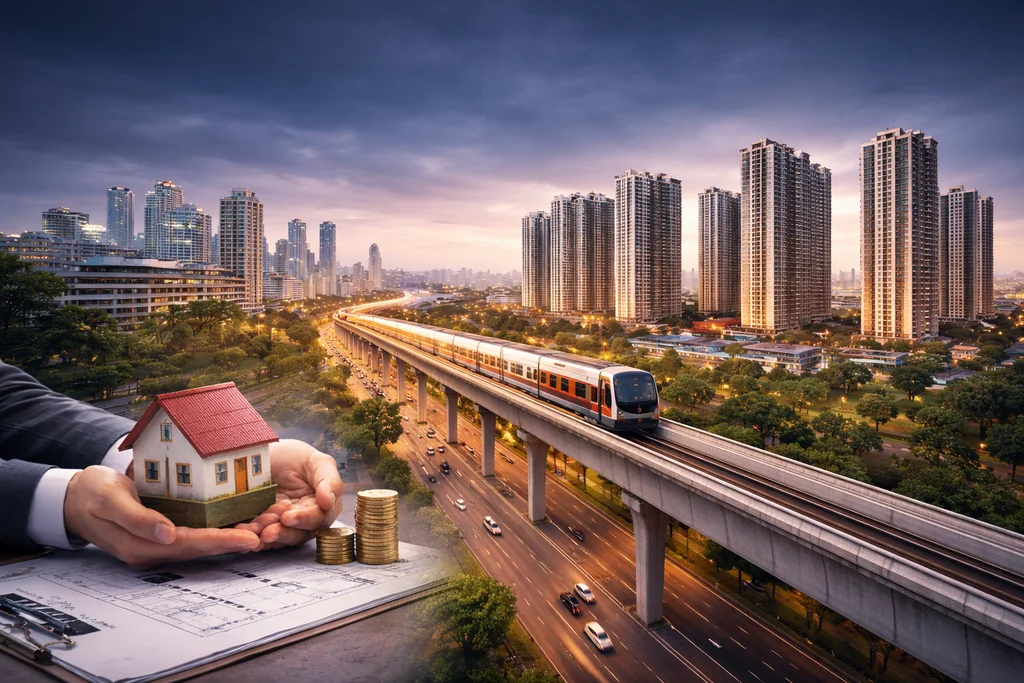
Patna has moved steadily away from its traditional image of crowded lanes and slow infrastructure growth. Over the past few years the city has been part of the Patna Smart City Mission, a national program aimed at strengthening urban infrastructure, improving civic services, and enhancing quality of life. The effects of this initiative are now reaching beyond parks and streetlights. They are reshaping where people want to live and invest in the city, and in turn influencing property values across key precincts.
1. Wider Roads, Better Acces
Patna's road network has undergone one of the most visible changes. The state government recently upgraded 19 key streets to "principal main road" status as part of an urban development plan. This change leads to a redevelopment of land and an increase in residential property taxes for approximately 5,000 households. Also, it demonstrates how improved connectivity makes locations more appealing to buyers and developers alike. Better roads mean shorter daily travel and quick access to workplaces, schools, and hospitals, which tends to increase property values in the surrounding residential and commercial areas.
2. Public Transport and the Metro Effect
Modern urban development relies heavily on integrated public transportation. The ongoing metro project is a prime example. The first sections of the metro opened in late 2025, and expansion is ongoing. Metro routes connect central hubs such as Patna Junction and the Patliputra Bus Terminal. They shorten travel times and make peripheral areas more accessible. Historically, connectivity upgrades of this scale have increased interest in neighborhoods near stations among homebuyers and investors. These areas frequently see new residential and mixed-use developments, resulting in noticeable increases in land and apartment prices.
3. Smart Utilities and Daily Comfort
Smart city investments aren't just about transportation. Patna authorities are installing underground power cables to reduce brownouts and improve electricity reliability in large residential areas. Plans aim to complete this work by 2027, covering more than eight lakh homes. Reliable power supply alters how residents and businesses recognize specific areas. Investors prioritize locations with reliable basic utilities because they reduce long-term risk and increase rental yield prospects.
Also, the city has installed automated sump houses that are linked to a central control center. This system monitors water levels in real time and controls pumps to prevent flooding during the monsoon season. These improvements address long-standing urban issues that previously deterred buyers from flood-prone areas.
4. Public Space Renewal: Parks and Leisure
Enhancements of leisure spaces have a social as well as economic impact. An instance of this is the redevelopment of the Maurya Lok complex. Improvements to recreational areas have social and financial effects. The redevelopment of the Maurya Lok complex is an example of the Patna Smart City Mission. Fitness centers, landscaped parks, fine-dining spaces, and walkable areas that attract young professionals and families have all been added to this area as part of the Smart City project. Real estate analysts and urban planners frequently note that public area enhancements boost demand in surrounding neighborhoods. Locations that provide leisure and social life nearby home are valued by buyers and renters.
5. Challenges and Incomplete Work
Not every aspect of Patna’s smart city mission has extended as planned. Due to issues with planning and execution, a number of the initiative's planned projects are still incomplete or delayed. Various schemes were cancelled as a result of audits conducted by authorities like the Comptroller and Auditor General, which raised questions about project suitability and financial management. This uneven development has affected buyer confidence in areas where assured improvements have not materialized and reduced the rate of change in some zones.
Nevertheless, incremental progress continues. The government has recently allocated additional funds for smart city work in the 2025-26 budget, which may accelerate construction and public facility upgrades.
Where Property Values Are Shifting
The influence of these upgrades on property values is not uniform across Patna. Here are general patterns emerging from the market:
-
Close to major roads and metro corridors: These areas typically show higher demand and more rapid price growth. Better connectivity remains the biggest driver of real estate value.
-
Well-served neighborhoods with strong utilities: Reliable power and water supply, along with modern street lighting and drainage, boost residential appeal.
-
Zones near renewed public spaces and commercial hubs: Green spaces and leisure facilities raise the desirability of adjacent properties for both families and young professionals.
-
Areas with stalled infrastructure work: Buyers and investors approach these with caution, tempering price growth until government commitments become visible on the ground.
Looking Ahead
The long-term picture for Patna’s real estate market affects how effectively the city can complete its smart city goals. Strong civic infrastructure, efficient public transport, dependable utilities, and community spaces work together to shape buyer preferences. As these elements strengthen, they tend to broaden market interest beyond traditional core zones and push property values in new directions.
For investors and residents, understanding this dynamic is key. Urban upgrades don't just change roads and parks. They change perceptions. As Patna aligns more closely with modern urban standards, property values will continue to reflect those shifts in how people live, work, and move around the city.
Posted By

Siddharth Jangam
info@houssed.com
Siddharth Jangam contributes to the Guides section at Houssed and works as a Digital Media Specialist focused on SEO and social media marketing. He shares insights that help readers understand India’s real estate market and buyer behavior.