

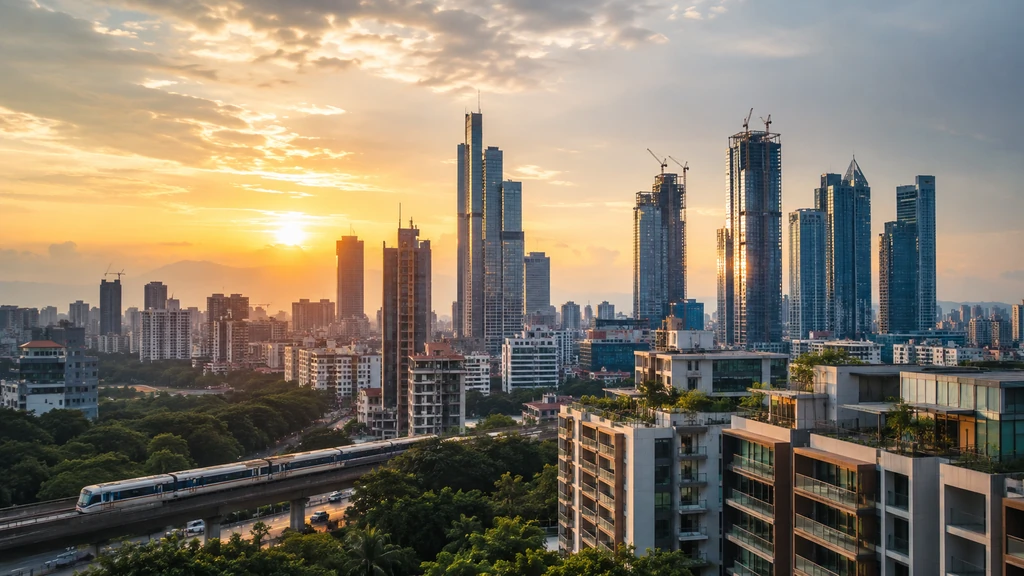
As incomes rise, urbanization spreads, and infrastructure projects expand, housing and commercial property are in more demand than ever. Yet not all cities offer the same advantages. Some deliver strong price growth. Others deliver steady rental income.
Why City Choice Matters
Selecting the right city impacts your returns in three ways:
1. Price Growth
Property value changes with demand, jobs, and local development. Some cities grow faster than average.
2. Rental Yield
Annual rental income divided by property price gives rental yield. Good rental markets support yields above 3.5 - 4 percent.
3. Infrastructure and Future Potential
Transport links, business districts, smart city projects, industrial growth areas, and policy support influence long-term prospects.
City Comparisons: Key Metrics
To compare cities, we look at five core indicators:
| City | Price Trend | Rental Yield | Infrastructure Growth | Future Outlook |
|---|---|---|---|---|
| Hyderabad | Strong | 3.5–4% | High | Very Positive |
| Pune | Strong | 3–3.8% | High | Very Positive |
| Bangalore | Very Strong | 3–4% | High | Very Positive |
| Ahmedabad | Moderate-Strong | 4%+ | Moderate-High | Positive |
| Chennai | Moderate | 3–3.5% | Moderate | Steady |
| Jaipur | Growing | 4%+ | Growing | Positive |
These ratings reflect recent prices (2023–25), rental markets, and planned infrastructure over the next five years.
Top Cities for Real Estate Investment in India
1. Hyderabad
Hyderabad has emerged as a favorite among both home buyers and investors over the last decade.
Price Trend
Residential prices have steadily climbed at 7–10% annually in key areas like Gachibowli, Kondapur, and Miyapur. Sales volumes have strengthened with IT and corporate expansions.
Rental Yield
Hyderabad offers some of the better rental yields in India, often in the 3.5–4 percent range for 2 and 3 BHK units near employment hubs.
Infrastructure Growth
Metro expansion, new IT parks, ring roads, and improved airport connectivity are boosting demand in suburban zones.
Outlook
With ongoing corporate hiring and infrastructure spending, Hyderabad remains one of the best cities for property investment in India in 2026.
2. Pune
Pune’s diversified economy, quality of life, and proximity to Mumbai help maintain steady interest.
Price Trend
Pune has seen solid growth, especially in Pimpri-Chinchwad, Hinjewadi, Wakad, and Kharadi. Prices are moving in the mid-single digits yearly.
Rental Yield
Rental demand from students, professionals, and corporate tenants keeps yields healthy between 3 and 3.8 percent.
Infrastructure Growth
Metro lines, ring roads, IT parks, and industrial corridors are widening the city’s reach.
Outlook
For investors seeking balanced price growth and rental demand, Pune ranks among the top cities for real estate investment in India.
3. Bangalore
Bangalore continues to be India’s leading tech city. With innovation hubs and start-ups, its property market remains in demand.
Price Trend
Prices have shown strong growth over the past decade and continue on an upward trajectory in many micro-markets.
Rental Yield
Rental yields average 3 to 4 percent near major employment corridors like Whitefield, Sarjapur Road, and North Bangalore.
Infrastructure Growth
Metro expansion, airport developments, and peripheral ring roads are reshaping property dynamics.
Outlook
Even with higher entry prices, Bangalore is a core choice for long-term investors focused on capital gains and steady rents.
4. Ahmedabad
As Gujarat’s commercial center, Ahmedabad combines industrial activity, cultural growth, and rising housing demand.
Price Trend
Prices have risen more moderately than metro peers but show consistent growth.
Rental Yield
Yields often exceed 4 percent in key zones due to affordable prices and solid tenant demand.
Infrastructure Growth
Metro, dedicated freight corridor influences, and rapid suburban spread are key drivers.
Outlook
For those seeking high ROI cities in Indian real estate with lower risk and affordable entry points, Ahmedabad offers a sensible option.
5. Chennai
Chennai blends manufacturing, IT, and deep-sea port benefits. Housing demand remains stable.
Price Trend
Moderate growth compared with other metros but resilient.
Rental Yield
Yields cluster near 3 to 3.5 percent, particularly in areas close to IT parks and universities.
Infrastructure Growth
Metro phases, road widening, new flyovers, and industrial ring developments add weight to future demand.
Outlook
Chennai remains stable and reliable, though not as explosive in growth as some peers.
6. Jaipur
Rajasthan’s capital is seeing rising interest thanks to expanding economic activity and relatively affordable entry prices.
Price Trend
Growing steadily as new infrastructure corridors improve connectivity.
Rental Yield
Often above 4 percent in residential pockets near transit corridors and education hubs.
Infrastructure Growth
New expressways, ring roads, and planned industry zones increase appeal.
Outlook
For investors focused on rental income and affordable growth, Jaipur deserves attention.
Price Trends Across Cities
Overall, Indian property markets have seen positive momentum since 2023. Tier-1 markets regained traction after a slow period, while tier-2 cities saw sharper acceleration due to affordability and new economic opportunities.
In 2025, many real estate consultancies reported:
-
Continued upward trend in residential prices in major cities.
-
Improved liquidity and faster sales cycles.
-
Higher interest from end users and investors alike.
Cities with strong corporate inflows and infrastructure upgrades tend to outpace others in price growth. Hyderabad, Bangalore, and Pune remain on the faster side. Ahmedabad and Jaipur are emerging as value propositions for investors seeking lower entry prices with room for growth.
Rental Yield Patterns
Rental yields tell a different story from prices. High property prices often soften yields, while growing employment demand pushes them up.
Typical yields in these cities:
-
Hyderabad, Bangalore: 3.5 to 4 percent
-
Pune, Chennai: 3 to 3.8 percent
-
Ahmedabad, Jaipur: 4 percent or higher in the best micro-markets
Cities with strong student populations, corporate hiring, or limited rental supply tend to deliver better yields.
Infrastructure Growth: A Key Driver
Infrastructure projects transform real estate demand more than almost any other factor. Roads, metros, airports, industrial corridors, and special economic zones affect not just prices but also where demand flows.
Examples:
Hyderabad
Metro and connecting expressways expand residential reach.
Pune
Metro lines and new ring roads make peripheral zones accessible.
Bangalore
Metro phases and airport connectivity uplift many suburbs.
Ahmedabad
Metro and industrial corridor activity support both national and export logistics.
Jaipur
New expressways improve intercity access, raising demand in outer belts.
When studying a city for investment, always check for:
-
Planned transport projects
-
Industrial or office nodes
-
Government economic zones
-
New townships with mixed-use planning
These factors often predict growth before prices reflect it.
Where to Invest in Indian Real Estate 2026: Area Picks
Within each city, some micro-markets stand out:
Hyderabad
Gachibowli, Hitech City, Kondapur, Miyapur, and Tellapur.
Pune
Hinjewadi, Wakad, Kharadi, Baner, and Undri.
Bangalore
Whitefield, Sarjapur Road, North Bangalore, Electronic City fringes.
Ahmedabad
SG Road, Vastrapur, Thaltej, Bopal.
Chennai
OMR Corridor, Velachery, Perungudi, Ambattur.
Jaipur
Ajmer Road, Sikar Road, Vatika City.
Micro-market selection should balance price trends, rental demand, and commuting ease.
Investment Tips
To make solid decisions in 2026 and beyond:
1. Focus Long Term
Real estate performs best over multi-year horizons.
2. Check Rental Markets
Vacancy rates and tenant profiles influence cash flow.
3. Study Infrastructure Plans
Projects that reduce travel time usually boost demand.
4. Evaluate Affordability
Higher prices reduce yields. Seek areas with room for price growth.
5. Legal Due Diligence
Ensure clear titles, approved plans, and proper RERA registration.
6. Diversify Across Cities or Segments
Mixing residential and commercial exposure can reduce risk.
Conclusion
If you are seeking the best cities for property investment in India in 2026, the answer depends on your goals. For price growth and capital gains, cities like Hyderabad, Pune, and Bangalore lead the list. For balanced rental income and affordability, Ahmedabad and Jaipur offer strong cases. Chennai remains a solid, stable choice.
Real estate is not just about buying space but about buying into a city’s future. Look for areas where jobs, connectivity, and population growth move in the same direction.
By focusing on fundamentals and planning for the long term, you can find high ROI cities in Indian real estate that match your financial aims and risk tolerance.
Posted By

Siddharth Jangam
info@houssed.com
Siddharth Jangam contributes to the Guides section at Houssed and works as a Digital Media Specialist focused on SEO and social media marketing. He shares insights that help readers understand India’s real estate market and buyer behavior.