

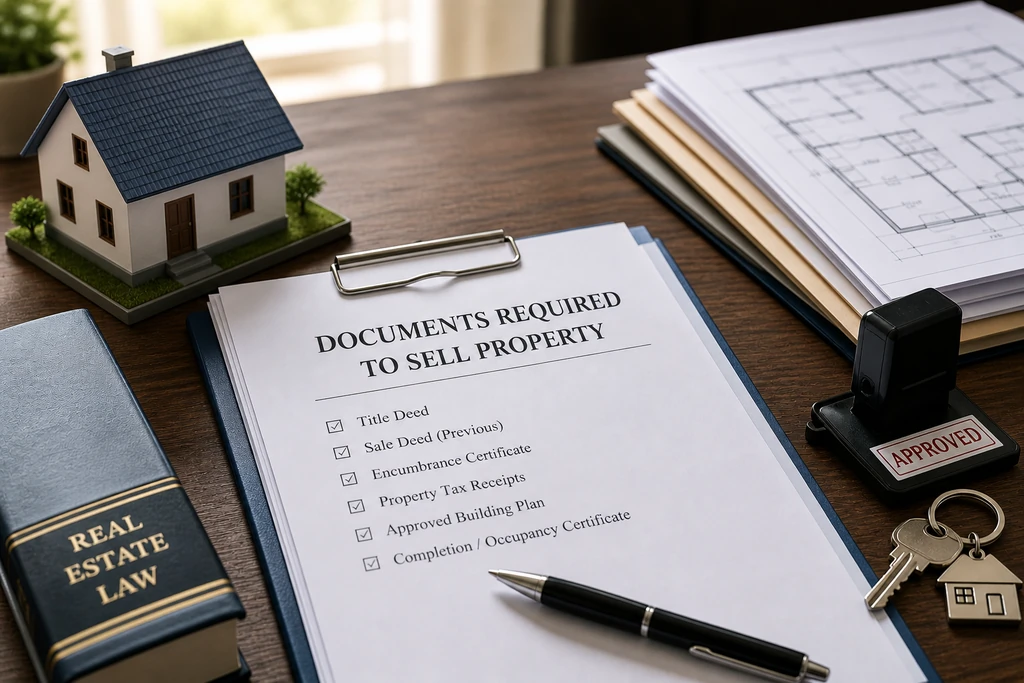
Selling a property is not just about finding the right buyer or agreeing on a price. The legal documents required to sell property in India form the real backbone of a smooth and secure transaction. Missing or incorrect documents can delay the deal, reduce buyer confidence, or even create legal trouble later. That's why understanding the legal documents required to sell property is essential before listing your home or land.
Why paperwork matters when selling property
Property transactions involve large amounts of money and long-term ownership rights. Buyers want proof that you legally own the property and that it is free from disputes. Banks and registration offices also need clear records before approving or registering a sale.
Having the legal documents required to sell property ready in advance saves time, avoids last-minute stress, and shows buyers that you are serious and trustworthy.
Essential legal documents required
While exact requirements may differ by state, these are commonly expected across the country.
1. Title deed
This is the most important document. It proves that you are the legal owner of the property and have the right to sell it. The buyer’s lawyer will carefully check this to confirm clear ownership.
2. Sale deed (previous)
If you bought the property earlier, your own sale deed shows how ownership was transferred to you. This helps establish a clean chain of ownership over the years.
3. Encumbrance certificate
It is an official document from the sub registrar's office that confirms the property is free from loans, legal claims, or disputes. Buyers rely heavily on this document to ensure there are no hidden liabilities.
4. Property tax receipts
The latest property tax payment receipts prove that all local taxes are paid up to date. Unpaid taxes can become the buyer’s problem later, so this is closely verified.
5. Approved building plan
For constructed properties, approved plans from the local authority show that the building follows legal rules. Unauthorized constructions can reduce property value or delay the sale.
6. Completion or occupancy certificate
These certificates confirm that the building was completed as per approved plans and is safe for occupation. Many buyers and banks insist on this document.
Additional documents that might be required
- Depending on the type of property, you may also need:
- Power of Attorney, if someone else is selling on your behalf
- Inheritance or gift deed, if the property was inherited or gifted
- Society share certificate or NOC for flats in housing societies
All of these together form part of the wider property sale documents India sellers are expected to provide.
Understanding the sale deed
The sale deed is the document that legally transfers ownership from seller to buyer. It includes details of both parties, the property description, the agreed price, and payment terms.
During the sale deed process, the deed is drafted, stamped, signed by both parties, and registered at the local sub-registrar office. Once registered, the buyer becomes the legal owner.
Because this document has a long-term legal impact, it must be accurate and complete. Errors can lead to disputes even years later.
Prepare a paperwork checklist
Before listing your property, it helps to prepare a simple file with copies of all documents. Think of it as a personal property paperwork checklist that you can quickly share with buyers, agents, or lawyers.
This approach helps you:
- Answer buyer questions confidently
- Speed up legal verification
- Avoid last-minute document hunting
Organized sellers often close deals faster because buyers feel more secure.
Common mistakes sellers should avoid
- Common mistakes sellers should avoid
- Selling without clearing old loans or charges
- Missing pages or signatures in older deeds
- Providing outdated tax receipts
- Ignoring small name or address mismatches in documents
Carefully reviewing the documents can help you spot and fix these issues early.
Final thoughts
Selling property is a major financial step, and paperwork plays a bigger role than most people expect. By understanding and preparing the documents required to sell property, you protect yourself and make the transaction smoother for the buyer.
Taking time to organize your documents, verify details, and seek professional advice when needed can save you from delays and disputes. A well-prepared seller is more likely to close a deal smoothly and with peace of mind.
Posted By

Keerthi Choxsi
info@houssed.com
Keerthi Choxsi writes about property law and real estate regulations for Houssed. She explains legal frameworks, documentation requirements, and ownership rights to help buyers and investors understand property laws in India.