

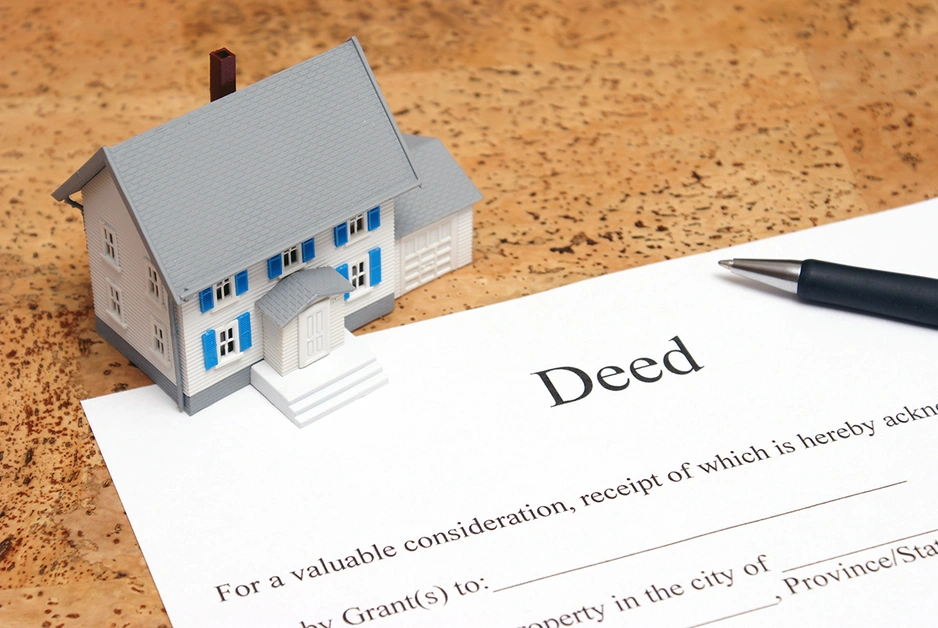
If you're buying or selling property, there's one document you can't avoid: the sale deed. It's the paper that actually makes the transaction real in the eyes of the law, and getting it wrong or not understanding it can cause real headaches down the line. Here's a practical look at what it is, why it matters, and what to watch for.
So, What Exactly Is a Sale Deed?
A sale deed (sometimes called a conveyance deed) is the legal document that formally transfers ownership of a property from one person to another, in exchange for an agreed price. Think of it as the final word on a property transaction, once it's signed and registered, the buyer is the legal owner.
That registration part is non-negotiable. A lot of people assume that signing the document is enough, but under the law, you're not the rightful owner until the sale deed is registered. The deed itself spells out who's involved, the agreed price, how payment is being made, and when the property officially changes hands.
The two parties in this arrangement have specific names: whoever is giving up the property is the seller (or transferor), and whoever is receiving it is the buyer (or transferee).
Sale Deed vs. Sale Agreement - They're Not the Same Thing
People mix these up constantly, so it's worth being clear: a sale agreement is a promise. It lays out the terms under which a property will be sold at some point in the future, but ownership hasn't changed hands yet.
A sale deed is the follow-through the document that actually executes that transfer and hands over full legal rights to the buyer. One is a plan; the other is the action.
What Should Actually Be in a Sale Deed?
A well-drafted sale deed needs to cover several bases. Skipping any of these can create disputes later, so it's worth knowing what to look for:
Who's involved - Names, ages, and contact details for both the buyer and seller.
Protection from old liabilities - This is the indemnity clause, and it matters more than people realize — it confirms the seller has cleared any outstanding loans, taxes, or charges on the property before the sale, so the buyer isn't left holding someone else's debt.
The money details - The agreed sale price, any advance payment already made, and if the buyer is paying in instalments, the amount and due date for each one.
How payment will happen - Cash, cheque, bank transfer, whatever the parties agree on, it needs to be written down explicitly.
When possession changes hand - The exact date the buyer takes physical possession should be stated clearly, not left vague.
Witnesse - At least one witness from each side needs to be present and documented full name, address, and age included.
Sellers also have a duty to disclose anything relevant: known defects in the property, any disputes tied to it, and confirmation that the transfer is being done properly. The more thorough the deed, the less room there is for arguments later - that's really the whole point of it.
How a Sale Deed Actually Gets Drafted
Sale deeds are prepared on non-judicial stamp paper, and the required value varies by state since stamp duty rules differ across India. There's no single fixed figure, it depends on where the property is located.
Before anything gets signed, make sure property taxes are fully paid up. Skipping this step can mean fines later. The actual signing happens at the sub-registrar's office, in front of two witnesses, and stamp duty along with registration fees typically falls on the buyer - though in practice, this cost is sometimes split between both parties by mutual agreement. Once everything's signed, the original documents need to be submitted within four months of registration.
Why the Sale Deed Matters Beyond the Sale Itself
If the property was bought using a home loan, the sale deed becomes essential for the lender too. To release funds, the buyer typically has to hand over several property documents, including the original title deed, which the lender then holds onto until the loan is fully repaid.
Once that final payment is made, the lender is legally required to return the title deed and this should happen within 15 days of the loan being cleared. If it doesn't, that's worth following up on directly.
Before You Sign Anything
A little diligence before signing can save a lot of trouble afterward. Here's what's worth checking:
- Confirm the property title is free of any encumbrances - your local registry office can verify this.
- Make sure all dues are cleared: water and electricity bills, property tax, maintenance charges, and so on.
- Double-check that there are no pending permission issues tied to the property.
- Make sure all dues are cleared: water and electricity bills, property tax, maintenance charges, and so on.
It’s also important to keep all documents required for selling a home ready before signing, including the sale deed and supporting paperwork
The title deed ends up being one of the most important proofs of ownership a buyer will hold, so it's worth being careful and thorough before that document is finalized.
In Conclusion
A sale deed isn't just paperwork - it's the legal backbone of a property transaction. It protects both sides, creates a clear record of what was agreed, and is what ultimately makes a transfer of ownership official. Sale deeds sit alongside other types of title documents, like lease deeds, mortgage deeds, and gift deeds, but they're the one most people will encounter when buying or selling a home. Taking the time to understand it, rather than just signing where you're told is one of the smartest things either party can do in a property deal.
Posted By

Keerthi Choxsi
info@houssed.com
Keerthi Choxsi writes about property law and real estate regulations for Houssed. She explains legal frameworks, documentation requirements, and ownership rights to help buyers and investors understand property laws in India.